Nearly $11M Awarded Across Southeast Michigan and the Great Lakes
The Foundation envisions a flourishing, healthy, and resilient Great Lakes ecosystem and a culturally vibrant, sustainable Southeast Michigan. As we continue our spenddown, that longer-term vision guides everything we do to honor Fred and Barbara Erb’s legacy.
This grants cycle, we are investing $10.8 million in new and ongoing grants across Southeast Michigan and the broader Great Lakes region. These grants reflect our continued belief in the leaders, organizations, and ideas that will continue shaping this region long after our grantmaking ends.
At this stage of our work, every investment carries a different kind of weight — not only what we believe in, but how we leave. A thoughtful spenddown means giving partners the time, resources, and stability to plan beyond our funding — ensuring we do not disrupt work that is essential to our community and larger than any single funder.
“Fred and Barbara planned and cared for a future they wouldn’t see. That’s what we’re doing now. Making sure the work they believed in has the support to continue long after our grantmaking ends,” said Melissa Damaschke, president of the Fred and Barbara Erb Family Foundation.
 Credit: Racquet Up Detroit
An Investment in What Endures
Fred Erb was an athlete from an early age — part of the football, basketball, and wrestling teams at Cranbrook School before discovering squash later in life. He took lessons from Hashim Khan, a world champion from Pakistan who served as the pro at the Birmingham Athletic Club. Fred grew to love squash for the discipline it demanded. Barbara also cared deeply about health and wellness, believing in the importance of healthy eating and nutrition, and in what the right environment can offer a young person.
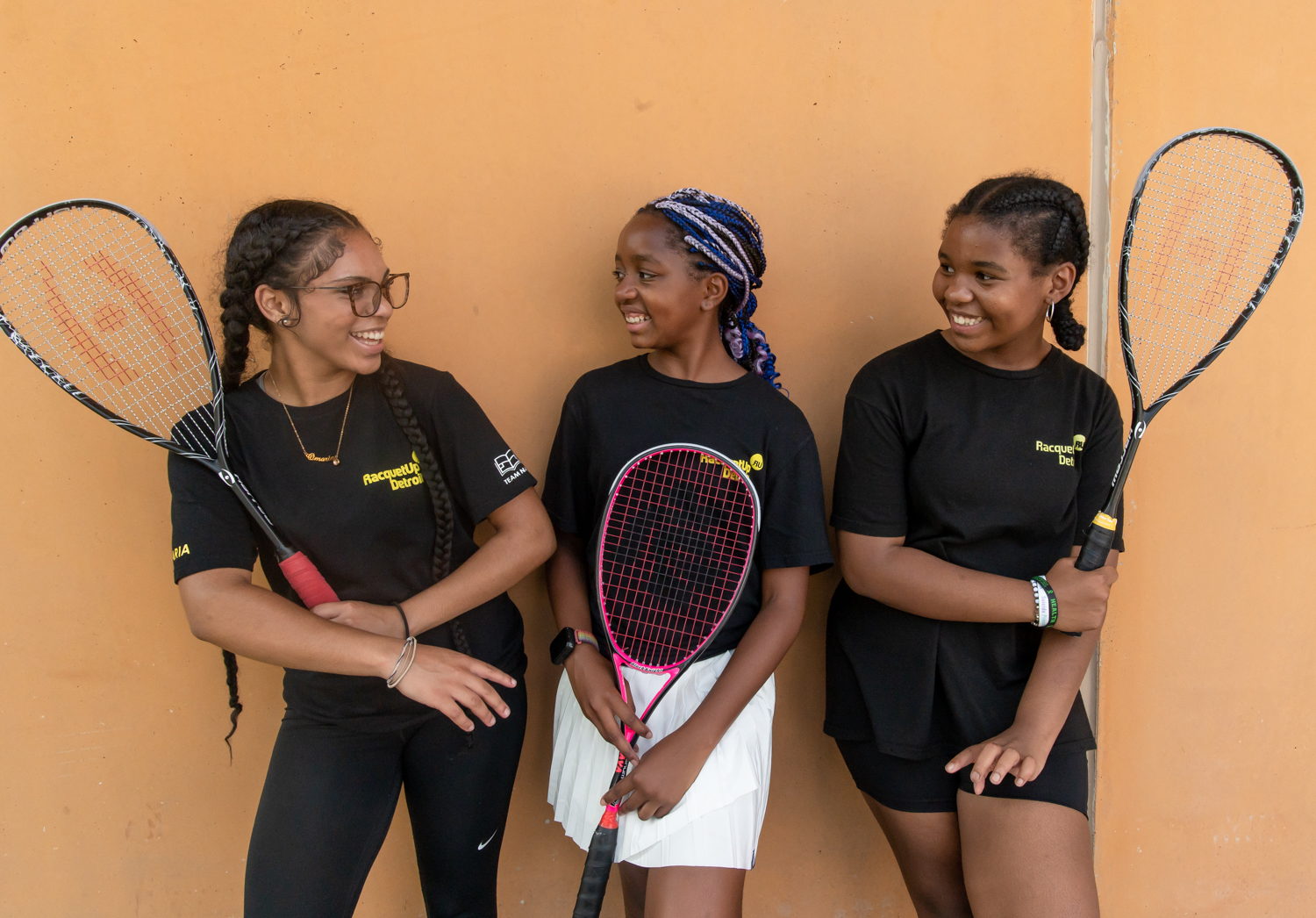
A legacy investment in Racquet Up Detroit — an organization that brings those commitments to life through world-class squash training and rigorous academic support — will help young Detroiters build the skills and confidence they need to succeed.
A $2.1 million grant will honor that legacy at Racquet Up Detroit’s facility, naming the Squash and Fitness Wing after Fred Erb, the Cafe after Barbara Erb, and the Entryway after Hashim Khan. Fred and Barbara believed in investing in people — in their potential, their communities, and their futures. Racquet Up Detroit embodies that belief.
Strong Communities Depend on a Healthy Democracy
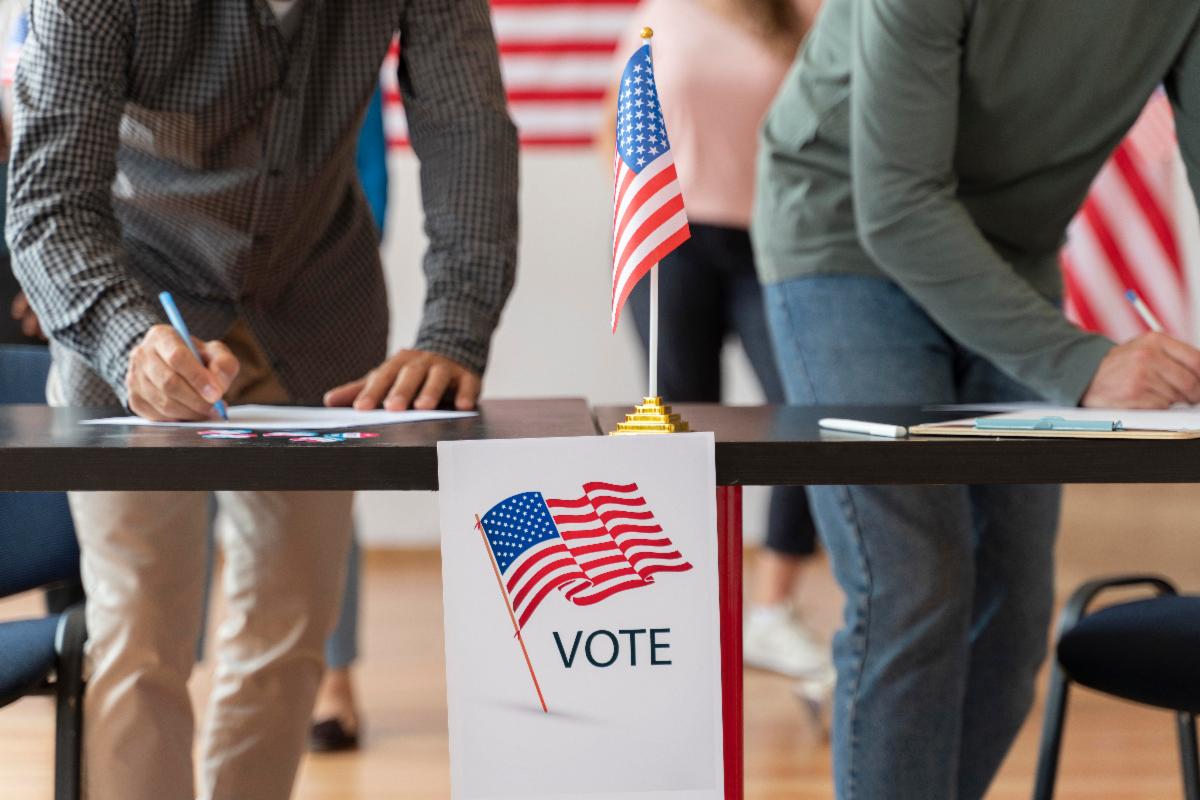
Fred and Barbara understood that progress on any issue — from clean water and thriving arts and culture to sustainable business and communities where everyone belongs — depends on a healthy democracy. As we approach the midterm elections, and as our grant partners, peer funders, and civic leaders raise concerns about the growing pressures facing election systems and administrators, we remain committed to investing in the people, organizations, and infrastructure that help ensure Michigan’s elections are accessible, fair and secure for every eligible voter.
A $500,000 grant to Voters Not Politicians Education Fund will support the My City Votes and Detroit Votes programs, which help residents better understand the many ways they can access and participate in Michigan elections, from early and absentee voting to same-day registration and in-person Election Day voting, while connecting communities with trusted election information. Surveys indicate that voters trust local election officials, and this grant will support clerks by providing information to voters about how to participate in the upcoming election.
Fred and Barbara also understood that lasting civic health depends on the organizing, advocacy, and accountability that keeps democracy strong in the years between elections. We are investing $2.25 million in the organizations sustaining that work:
- Michigan Voices: A $750,000 three-year grant supports Michigan Voices’ network of nearly 100 member organizations working to expand civic participation, voter registration and turnout, and strengthening voter engagement across Michigan communities.
- Mothering Justice: A $750,000 three-year grant supports Mothering Justice’s organizing and civic engagement work, helping mothers of color build collective power and advocate for policies that affect their families and communities.
- Promote the Vote Fund: A $500,000 two-year grant supports ongoing efforts to help ensure Michigan elections remain accessible, fair and secure for registered voters across the state.
- Wayne State University’s Law School: A $250,000 grant supports the Levin Center for Oversight and Democracy’s nonpartisan programs that help federal and state lawmakers strengthen oversight, govern effectively and better serve their constituents.
 Credit: Magic Circle Productions
Closing Chapters with Care
Our Arts & Culture partners have shaped Southeast Michigan’s creative landscape in ways that will endure for generations to come. This cycle marks the conclusion of several of those partnerships. We are investing $750,000 in a final chapter of arts and culture support for three organizations:
- The Cranbrook Project: A final $350,000 four-year exit grant funds general operating support for the Cranbrook Project, an organization that presents world-renowned musicians in concert at Christ Church Cranbrook for metro-Detroit audiences.
- Allied Media Projects: A final $300,000 three-year exit grant supports Allied Media Projects’ ongoing work building a home for community media and network-based organizing in Detroit, now rooted in the LOVE Building on the city’s West Side.
- Millennium Film Workshop: A final $100,000 exit grant supports the promotion of “The Best of the Best: Jazz from Detroit,” a film honoring the musicians and cultural forces that shaped one of Detroit’s most distinctive contributions to American music.
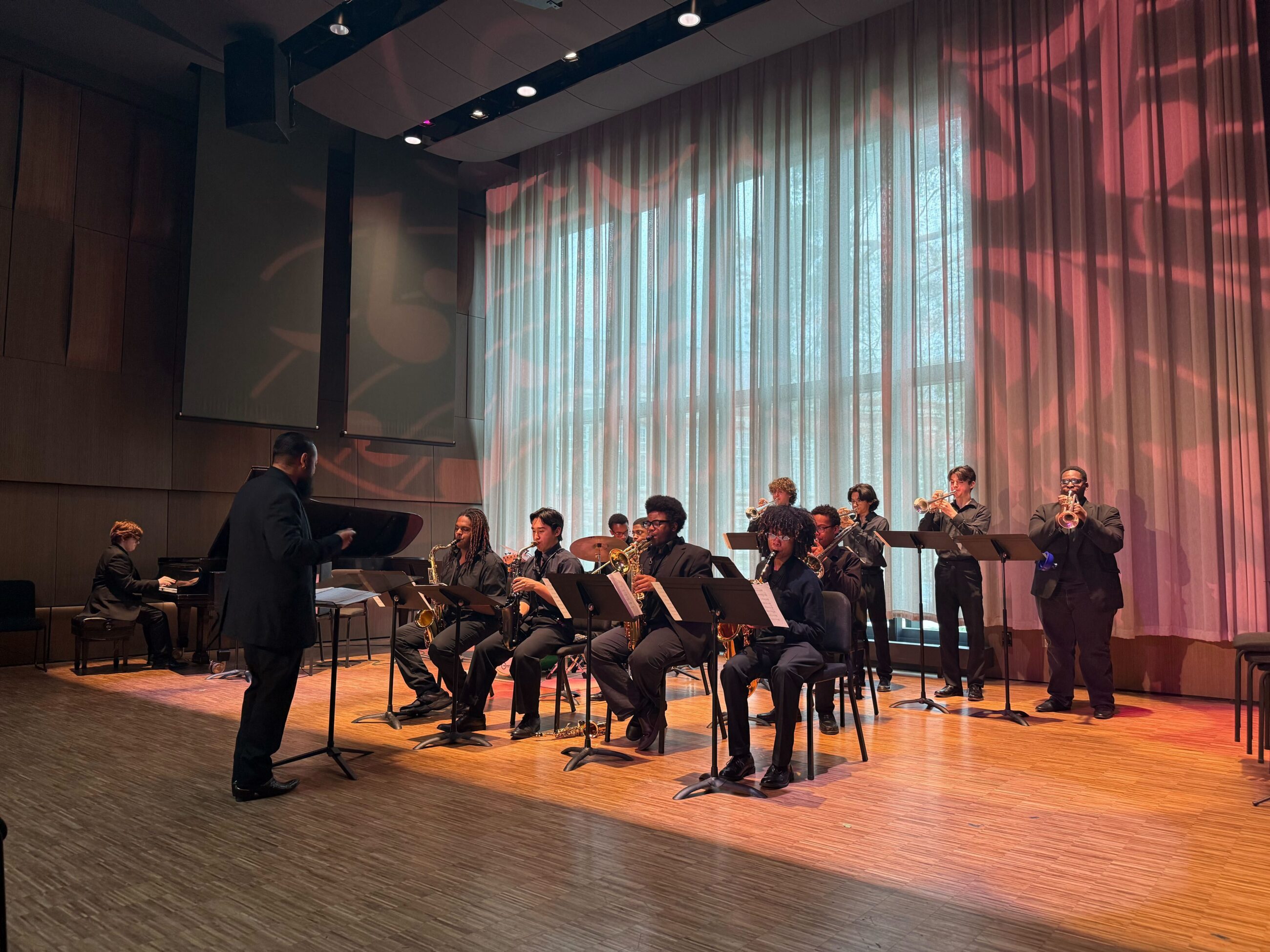 Credit: MSU Community Music School – Detroit
The Next Generation of Jazz
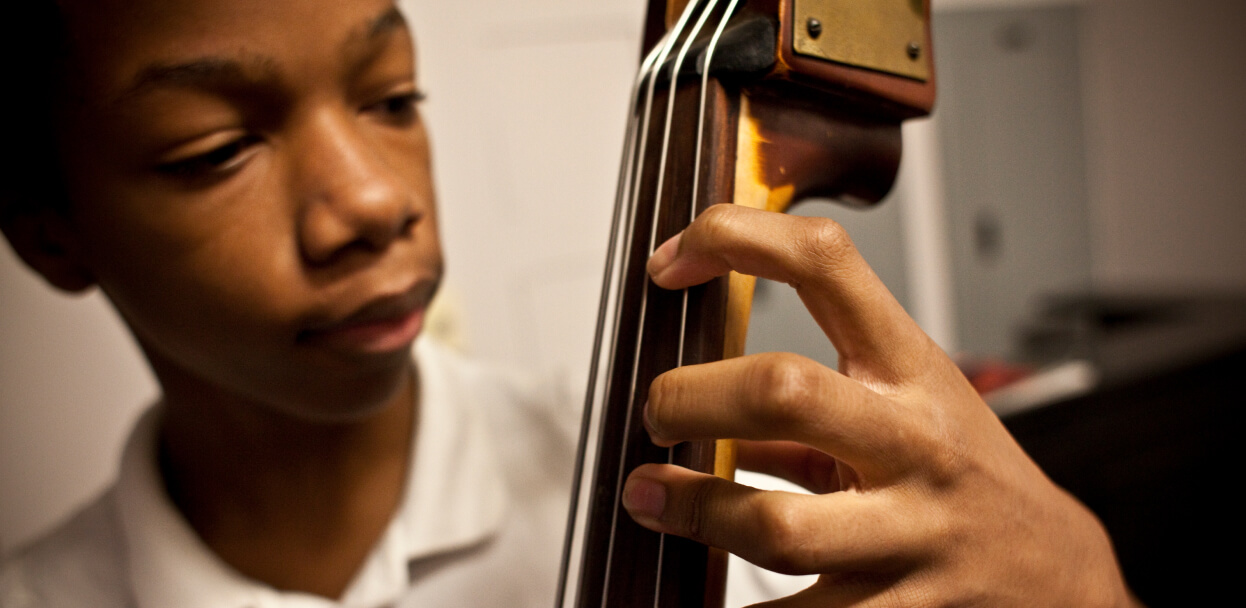
In addition to being a dedicated student-athlete at Cranbrook School, Fred Erb was also a musician, holding first chair trumpet. This grew a love of jazz that stayed with him for life and deepened as Detroit’s jazz scene grew around him.
These grants help that tradition and develop skills in the students and artists elevating the genre today. The Foundation is investing $461,000 to support five partner organizations’ jazz education work across Southeast Michigan, including:
Together, these organizations are ensuring Detroit’s jazz legacy doesn’t just endure — it evolves.
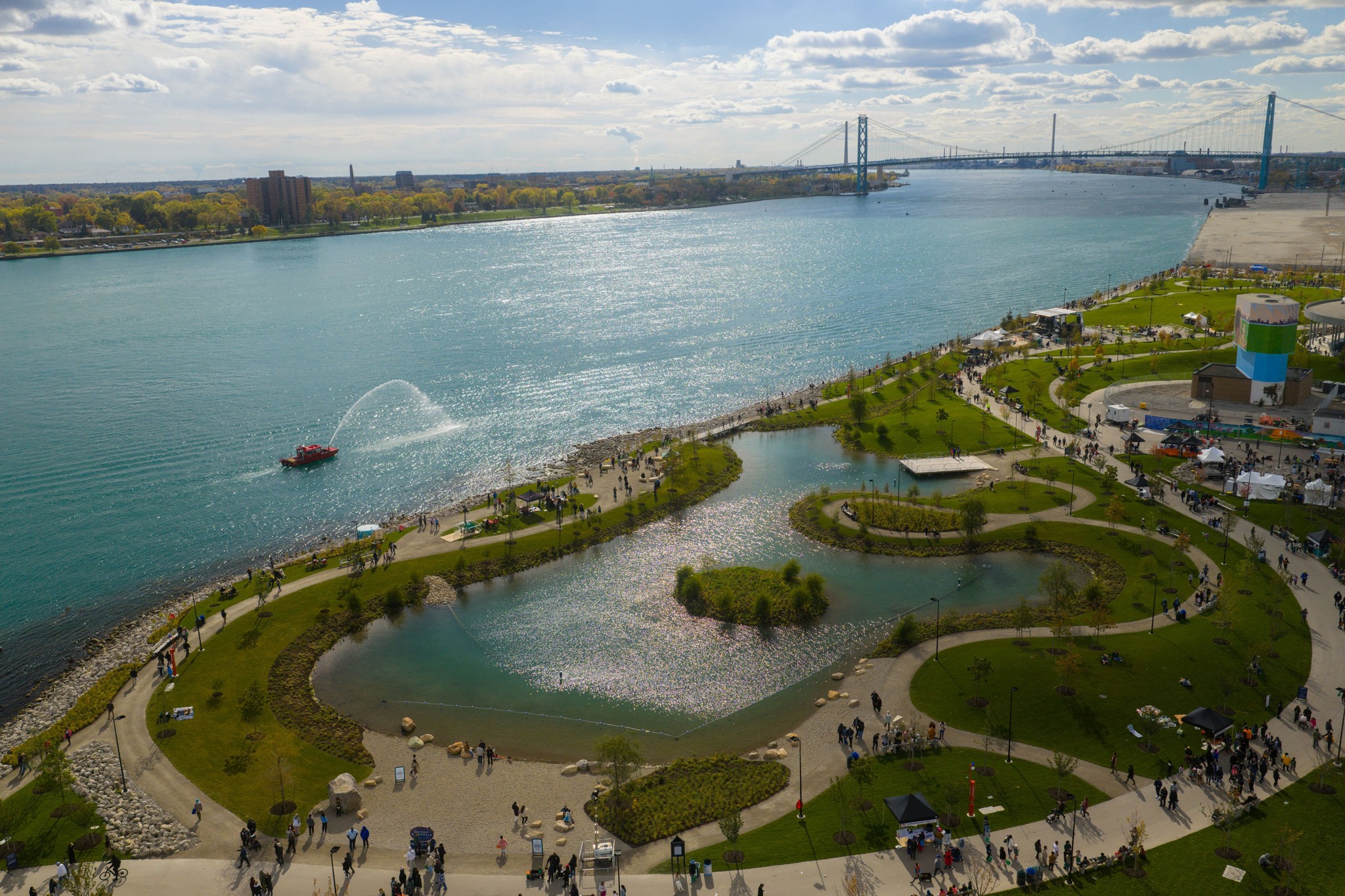 Credit: Detroit Riverfront Conservancy
Protecting Our Shared Waters
A healthy Great Lakes ecosystem depends on the researchers monitoring our waterways, legal and community advocates elevating water quality threats, and experts contributing knowledge, expertise, and cultural stewardship to ensure clean water. It takes policy leaders across the region as well as years of trust-building and collaboration between organizations that share a vision for the region’s future.
The Great Lakes Indian Fish and Wildlife Commission (GLIFWC) is working with state agencies in Michigan, Minnesota, and Wisconsin to ensure tribal expertise and reserved rights are incorporated into the review of state water quality standards, which occurs every three years. A new $150,000 grant over two years supports GLIFWC’s effort to ensure state water quality standards incorporate and protect the reserved rights of tribal nations across the Great Lakes region and that indigenous expertise and knowledge is incorporated into state water quality standards. This work reflects the Seven Generations Principle – the indigenous teaching that decisions made today should consider their impact on seven generations into the future, fostering responsibility, sustainability, and interconnectedness.
Protecting the Great Lakes takes work and collaboration at every level — from water quality monitoring in Lake Erie’s western basin to coalition advocacy in Washington. We are investing $3.43 million in the scientific, legal, and policy work that Great Lakes protection requires. New grants include:
- Council of the Great Lakes Region: A $750,000 three-year grant strengthens the organization’s ability to convene binational government, corporate, and nonprofit stakeholders and embed freshwater protection and environmental stewardship as considerations for economic development.
- Great Lakes Environmental Law Center: A $450,000 three-year grant supports the Great Lakes Environmental Law Center’s work providing pro bono support to nonprofit organizations impacted by environmental injustices. This support will be used to provide legal strategy and technical expertise to environmental advocates to protect Michigan’s natural resources and communities.
- Northeast-Midwest Institute: A $250,000 grant supports the Northeast-Midwest Institute’s work to empower and grow the Congressional Great Lakes Task Forces and provide an orientation program for newly elected members of Congress.
Interested in Partnering?
If your organization also envisions a flourishing, healthy, and resilient Great Lakes ecosystem or a culturally vibrant, sustainable Southeast Michigan, let’s work together to create lasting change. Please email the appropriate Program Officer(s) about your interest.